
PUBLIC REPRESENTATION GUIDE
Civic Overview: The Flow of Responsibility

In our democracy, power flows directly from the citizens to their elected representatives. Understanding these roles is not just academic; it is the foundation of civic awareness. Every vote shapes the accountability structure that governs our infrastructure, welfare, and local laws. This guide clarifies the levels of representation that serve you.

Rural Governance
Gram Panchayat
The foundation of rural democracy, composed of elected Ward Members (Panchs) led by the Sarpanch. Key responsibilities include local development, maintenance of public utilities, and executing welfare schemes. Citizens hold the Panchayat accountable through the Gram Sabha sessions, where budgets and projects are scrutinized.
Nyaya Panchayat
A separate judicial body at the rural level focused on dispute resolution. It deals with small civil and petty criminal matters, providing accessible and speedy justice within the village community. It ensures that judicial power is exercised transparently and remains responsive to the citizens it serves.
Urban Governance
Nagar Panchayat
Governs transitional areas transitioning from rural to urban. Responsibilities: Managing growth, basic services like street lighting, sanitation, and local marketplaces. Engagement: Citizens can attend ward committee meetings and track local development funds.
Ward Councillors
Elected representatives of a specific ward. Responsibilities: Addressing local grievances, ensuring waste management, road repairs, and voicing ward-level concerns in the council. Engagement: Direcly accessible for resolving neighborhood issues and infrastructure requests.
Mayors
The symbolic and executive head of a Municipal Corporation. Responsibilities: Presiding over council meetings, overseeing the city budget and large-scale urban infrastructure projects. Engagement: Monitoring city-wide policies and participating in public consultations for urban development.
State Representation
Constituency Services
- Grievance Redressal for State Schemes
- Constituency Welfare Fund Oversight
- Intervention in Administrative Delays
- Policy Representation in Assembly
- Local Infrastructure Development
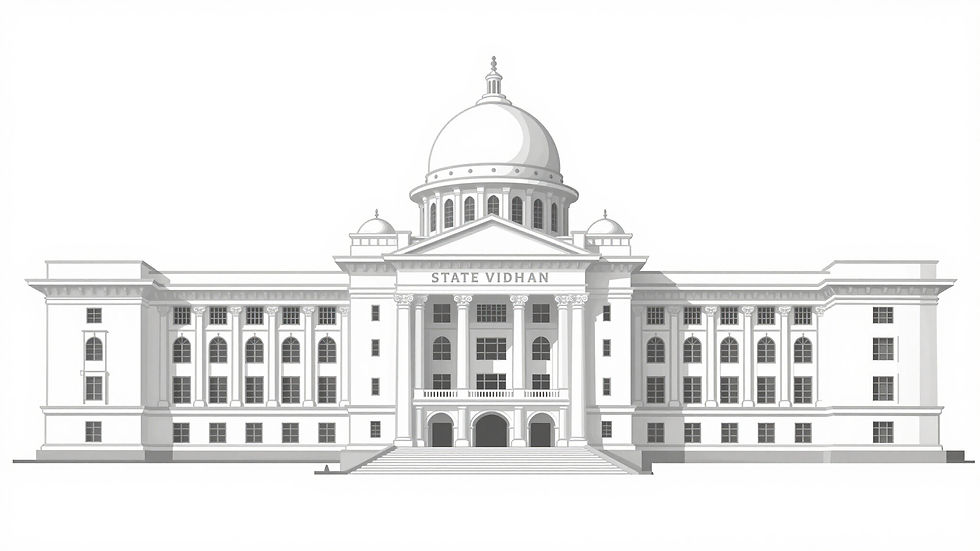
Members of Legislative Assembly
The Member of Legislative Assembly (MLA) is the direct link between the people of a constituency and the state government. Their primary responsibility is to represent the interests of their residents in the Vidhan Sabha, ensuring that local needs translate into state-level policy and budget allocations.
MLAs perform critical legislative duties, including drafting and debating state laws, overseeing the state executive's performance, and voting on the annual state budget. Outside the assembly, they serve as stewards of the Constituency Development Fund, prioritizing infrastructure and welfare projects that directly impact your community's quality of life.
Law-Making & Legislation
MPs represent their constituencies in Parliament, debating and enacting national laws that govern the Republic. They participate in parliamentary committees to scrutinize bills, provide oversight on union ministries, and ensure that new legislation aligns with constitutional values and the public interest.
National Representation: Members of Parliament

National Budget & Oversight
A critical duty of every MP is the approval of the National Budget. They oversee public expenditure, ensuring funds are allocated for development, national welfare, and infrastructure. Through the MPLAD scheme and parliamentary questions, they advocate for local interests on the national stage.
Public Engagement Guide
Entitled Citizen Services & Responsiveness
Rural Local Bodies
- Local problem resolution for water, sanitation, and roads.
- Access to rural employment and housing welfare schemes.
- Expeditious dispute resolution at the Nyaya Panchayat level.
- Regular open Gram Sabha meetings for direct accountability.
Urban Governance
- Efficient delivery of civic services like waste management and lighting.
- Transparent budget allocation for ward-level improvements.
- Responsive grievance redressal for local municipal issues.
- Clear pathways for engaging with Ward Councillors and Mayors.
State Representation (MLAs)
- Legislative oversight to protect state-level rights and interests.
- Strategic allocation of Constituency Development Funds.
- Intervention in state-wide welfare and infrastructure projects.
- Formal grievance escalation to state administrative departments.
National Representation (MPs)
- Robust representation of local interests in Parliament.
- Influence over national budgets and policy frameworks.
- Accountability for national infrastructure and internal security.
- Effective communication regarding central government schemes.
Universal Democratic Entitlements
- The right to transparent communication from all offices.
- Prompt response to registry reports and integrity filings.
- Access to verified data on representative performance and promises.
- Equitable service delivery regardless of social or political status.